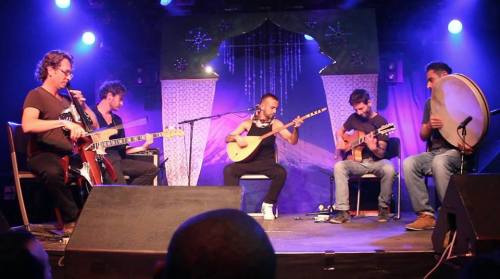
Discover the rich musical traditions of Kurdistan
A Kurdish vocal genre that often narrates heroic tales or expresses deep emotions.
A general term for Kurdish songs, often performed at celebrations and gatherings.
Traditional Kurdish circle dances performed to specific rhythmic patterns.
Traditional Kurdish bards who recite stories, often without instrumental accompaniment.
A lyrical and emotional style focusing on love, longing, and connection.
A system of melodic modes used in traditional Middle Eastern music, including Kurdish traditions.
Kurdish music has a rich and diverse history spanning thousands of years. It reflects the joys, struggles, and deeply held values of the Kurdish people. From lively wedding songs to haunting ballads, Kurdish music embodies the spirit of a resilient culture.
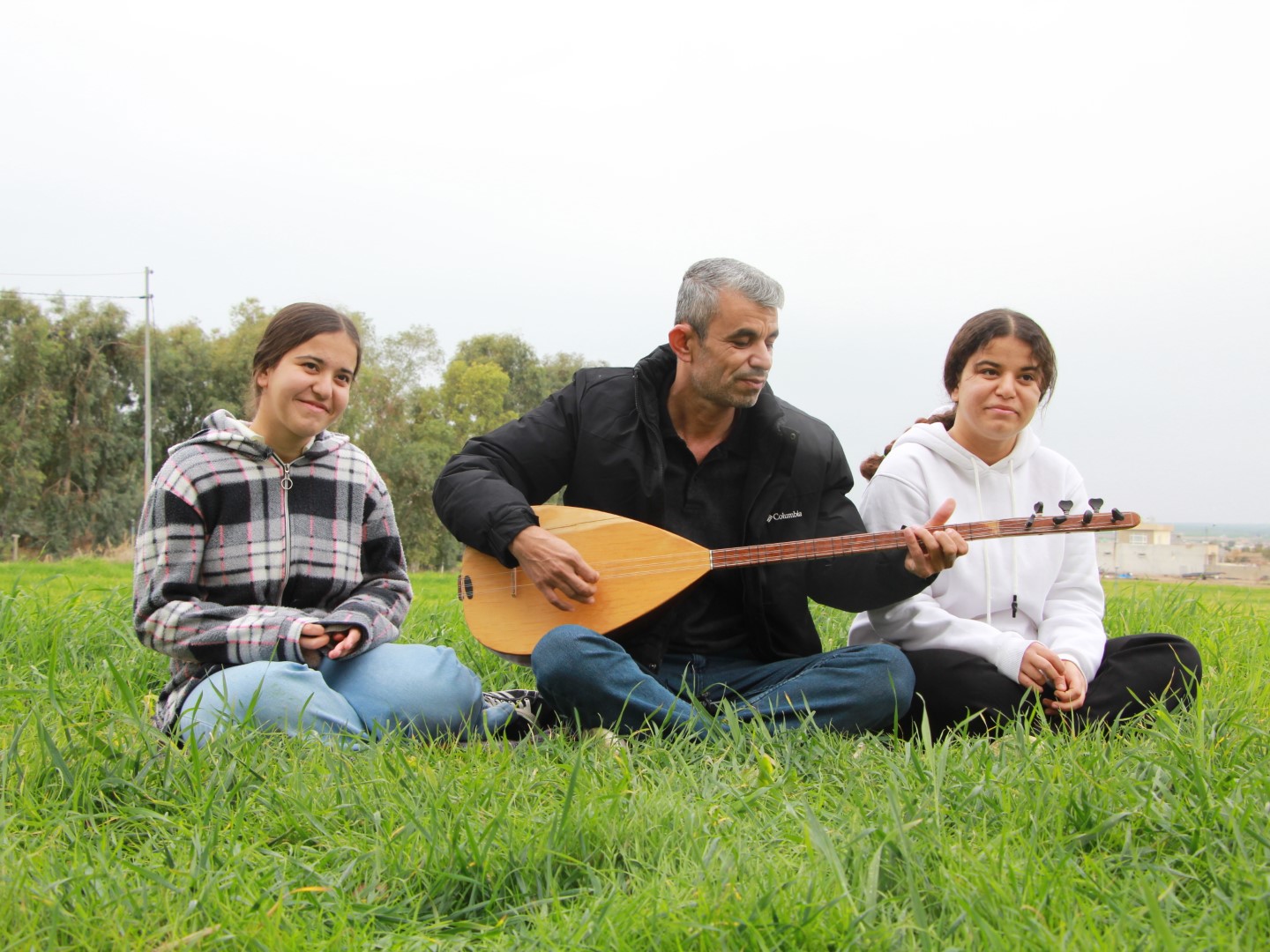
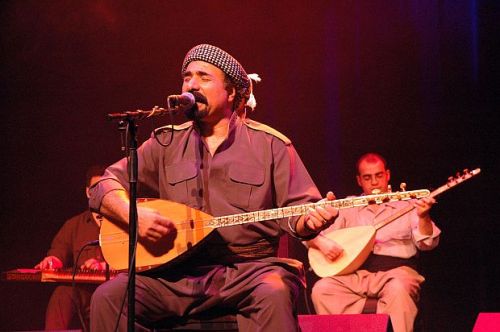
Traditional Kurdish music features instruments such as the tembûr (long-necked lute), bilûr (flute), and def (frame drum). Contemporary Kurdish artists often blend these traditional elements with modern musical styles, creating a vibrant musical landscape.
Iconic
importance level
The tembûr is a long-necked string instrument fundamental to Kurdish folk music. It typically has three strings and is used to create both melodic and rhythmic foundations for songs.
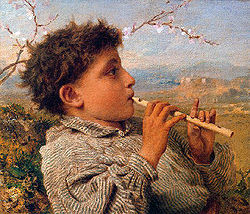
The bilûr is a side-blown flute made from reed or wood. Its haunting sound is often associated with pastoral life and is commonly used to express emotions in Kurdish folk music.
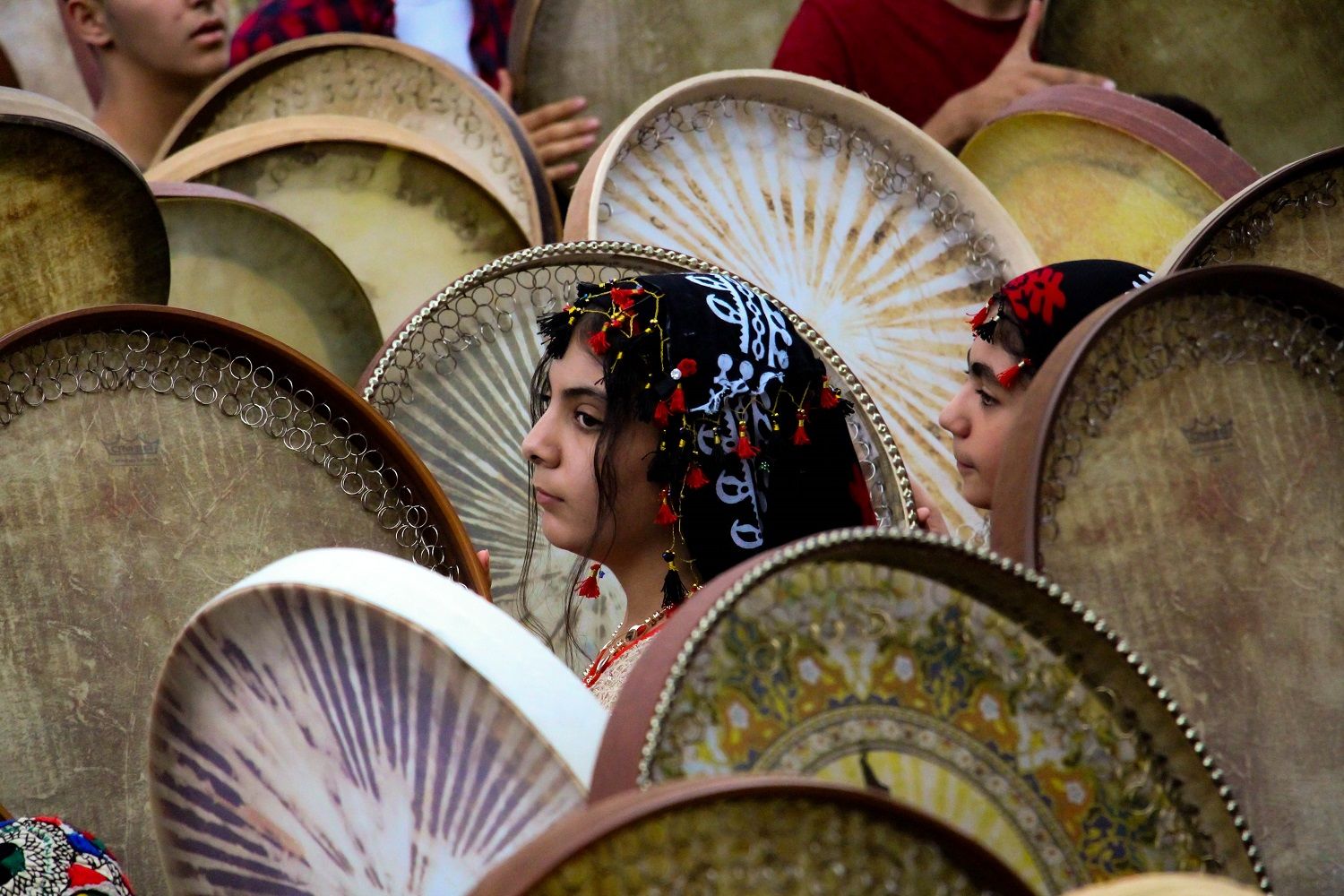
The def is a large frame drum with metal rings attached to its interior that jingle when the drum is played. It's central to Kurdish rhythmic patterns and is used in celebrations and ceremonies.
Lawik is a vocal genre that often tells heroic stories or expresses emotions like love and longing. Stran refers to songs that are often performed at celebrations and gatherings.
Govend refers to Kurdish circle dances performed at celebrations. The music for these dances is characterized by energetic rhythms and is a central part of Kurdish cultural gatherings.
Hayran is a lyrical and emotional style of Kurdish music, often featuring long, expressive vocal passages. These songs typically explore themes of love, longing, and emotional connection.
Chian songs celebrate the Kurdistan mountains and the connection between Kurdish people and their natural environment. These songs often express cultural pride and connection to the homeland.
Contemporary Kurdish music often blends traditional elements with modern styles like pop, rock, and electronic music. Today's Kurdish artists continue to use music as a means of cultural expression while exploring new musical territories.
In fields of green where flowers grow,
My thoughts turn homeward with a sigh.
The shepherd's flute plays melodies,
Our culture strong, we persevere.
Poetry has always been integral to Kurdish musical traditions, expressing themes of homeland, nature, and cultural resilience.
Many Kurdish songs feature poetic verses that celebrate the natural beauty of Kurdistan and convey deep emotional connections to the land.