Historical Timeline
5000+ YearsThe Kurdish people are descendants of various Indo-European tribes that migrated to the region thousands of years ago. Archaeological evidence suggests human habitation in Kurdistan dates back to at least 10,000 BCE.
During the medieval period, Kurdish principalities and emirates emerged across the region. Notable Kurdish dynasties included the Ayyubids, founded by Saladin, who famously recaptured Jerusalem from the Crusaders in 1187.
From the 16th to early 20th century, Kurdish territories were largely under Ottoman control, with Kurdish principalities maintaining varying degrees of autonomy. The region experienced significant cultural development during this period.
Following World War I and the collapse of the Ottoman Empire, the Kurdish regions were divided between several newly formed nation-states. The 20th century saw the rise of Kurdish nationalist movements across the region.
Today, the Kurdish people maintain their distinctive culture and identity across several countries in the Middle East. The Kurdistan Region of Iraq has established significant autonomy since 1991.
Historical Landmarks
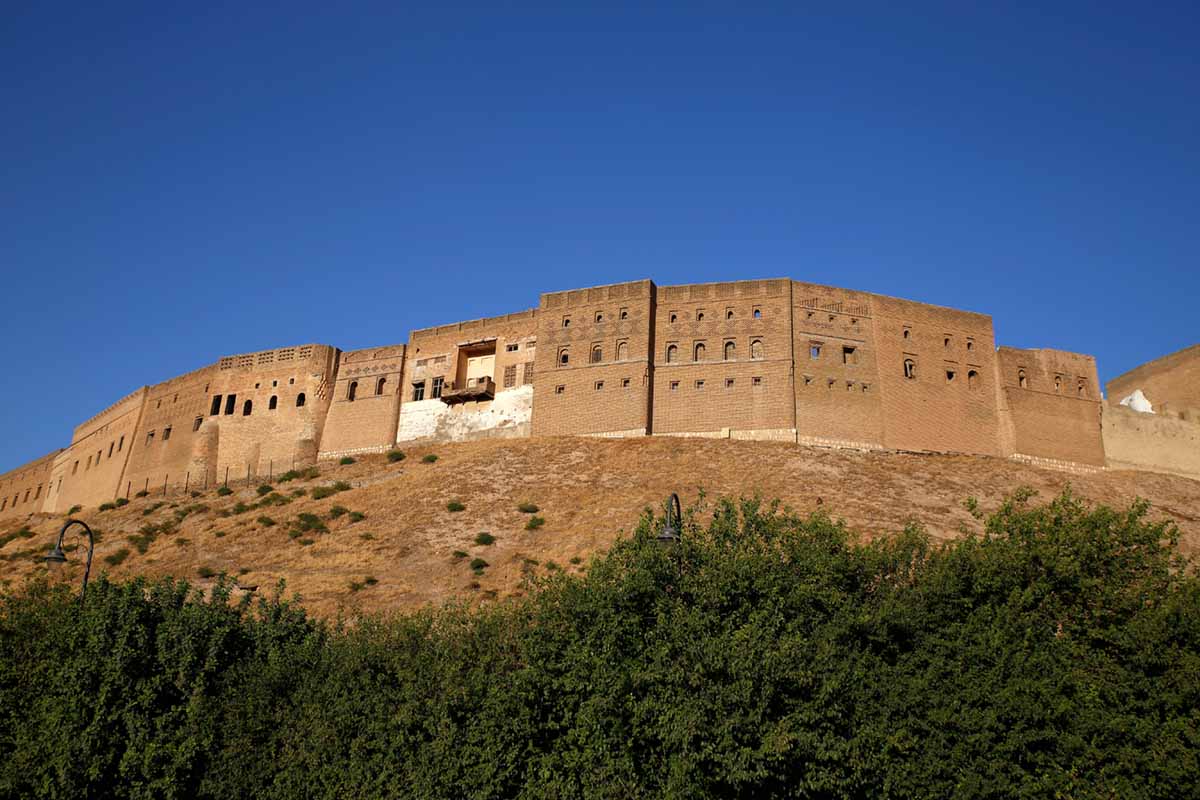
Erbil Citadel
UNESCOThe Erbil Citadel, locally known as Qalat Hewlêr, is one of the oldest continuously inhabited sites in the world, dating back at least 6,000 years. This ancient structure sits on a tell (mound) in the center of Erbil and was designated a UNESCO World Heritage Site in 2014.
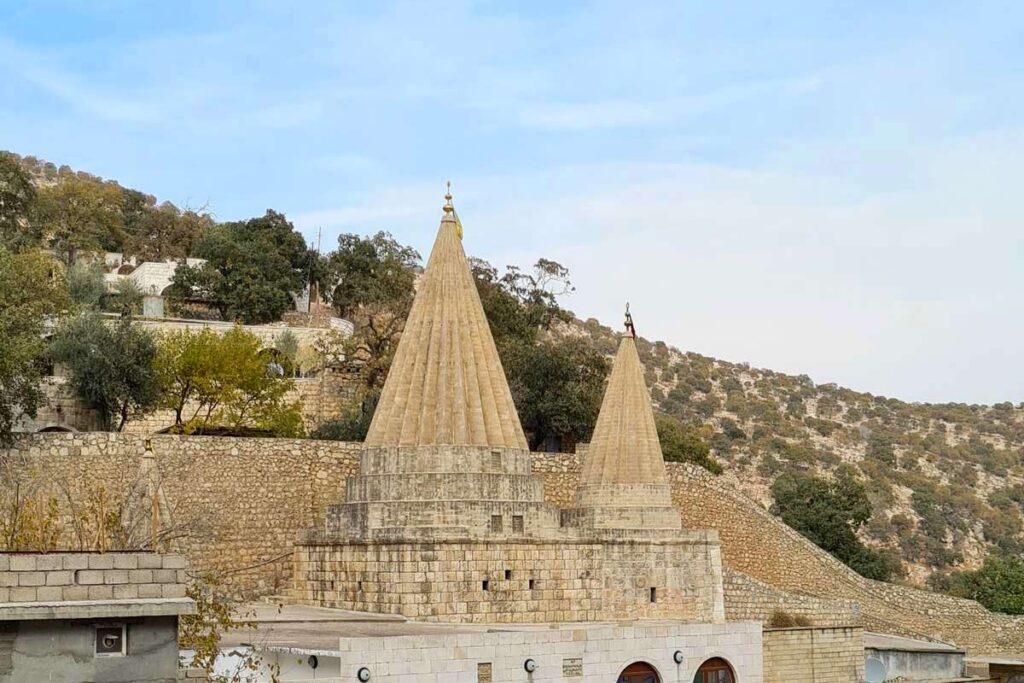
Lalish Temple
Sacred SiteLalish is the holiest temple of the Yazidi faith, located in a serene valley in the Kurdistan Region of Iraq. The temple complex houses the tomb of Sheikh Adi ibn Musafir, the central figure of the Yazidi faith, and has been a place of pilgrimage for centuries.
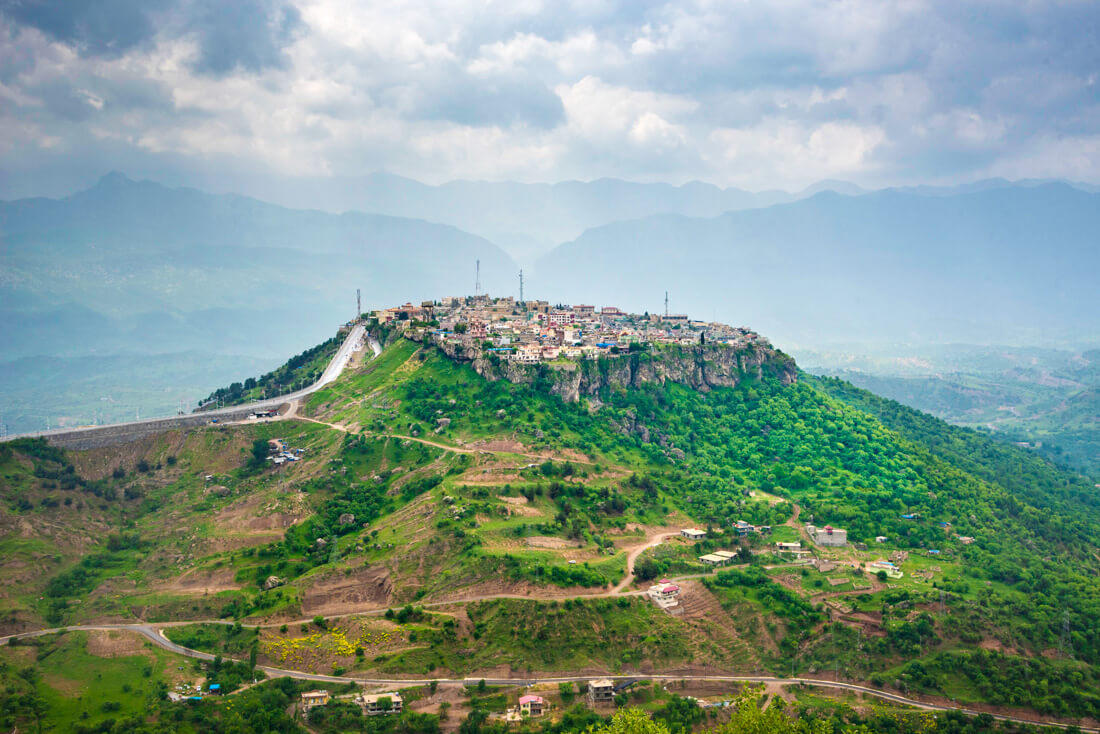
Amedi (Amadiya)
Ancient TownPerched on a plateau overlooking a dramatic landscape, the ancient town of Amedi has a history dating back over 3,000 years. It was once an important center for trade and culture, and home to one of the oldest synagogues in Kurdistan.
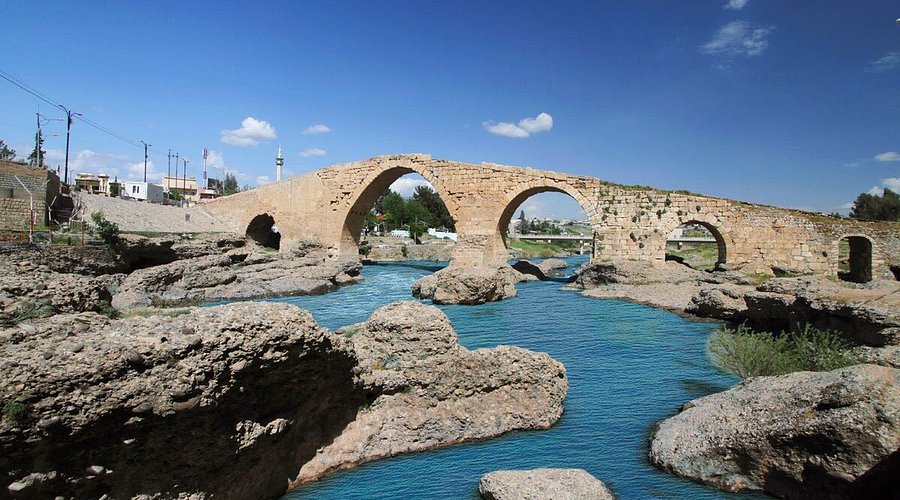
Delal Bridge
ArchitectureThe Delal Bridge (also known as Pira Delal) in Zakho is a beautiful stone arch bridge dating back to the Roman era. It spans the Little Khabur River and has been an important crossing point for traders and travelers for centuries.
Explore Kurdish Historical Sites
Explore the rich historical landmarks across Kurdistan. The map above highlights the location of Erbil Citadel, one of the oldest continuously inhabited settlements in the world.
Historical Significance
Cultural Preservation
OngoingKurdish landmarks serve as tangible connections to the past, preserving cultural memory and heritage for future generations.
Archaeological Value
AncientSites like Erbil Citadel provide invaluable insights into human civilization, with archaeological layers spanning thousands of years.
Architectural Heritage
Medieval to ModernKurdish structures showcase distinctive architectural traditions that have evolved over centuries, reflecting cultural exchanges across the region.
Religious Diversity
MulticulturalHistorical sites demonstrate Kurdistan's rich religious diversity, with landmarks significant to Muslims, Christians, Jews, Yazidis, and other faith communities.
Literary Traditions
HistoricalMany sites remain connected to Kurdish literary figures and oral traditions, serving as physical anchors for cultural narratives and poetic works.
National Identity
ContemporaryHistorical landmarks play a crucial role in Kurdish national identity, providing physical evidence of the long-standing presence and cultural continuity of the Kurdish people.