Kurdish Crafts Overview
Cultural ExpressionExplore the rich diversity of Kurdish craftsmanship, from ancient textile traditions to masterful metalworking. Each craft represents centuries of cultural knowledge and artistic expression.
Browse through the different categories below to discover the unique characteristics and cultural significance of each Kurdish craft tradition.
Kurdish Artisan Traditions
Cultural HeritageKurdish crafts reflect centuries of cultural heritage and artistic excellence. From intricately woven carpets to detailed metalwork, Kurdish craftspeople have developed distinctive styles that are recognized worldwide for their quality and beauty.
Traditional Kurdish crafts are not only decorative arts but also tell stories of the region's history, values, and daily life. Many of these crafts have been passed down through generations, preserving ancient techniques while adapting to contemporary tastes.
Crafts Quick Facts
Centuries Old
Craft Categories
Active Artisans
Textiles & Carpets
Heritage ArtKurdish carpets are renowned for their vibrant colors, intricate geometric patterns, and exceptional craftsmanship. Often created on portable looms by nomadic women, these carpets feature distinctive motifs that vary by region and tribe.
Kilims are flat-woven textiles without pile, known for their bold colors and geometric designs. Kurdish kilims typically feature diamonds, stars, and stylized natural motifs that tell stories of tribal heritage and daily life.
Traditional Kurdish clothing includes vibrant dresses, vests, and headwear adorned with intricate embroidery and decorative elements. These garments vary by region, reflecting local styles and environmental adaptations.
Jewelry & Metalwork
Artisan Craft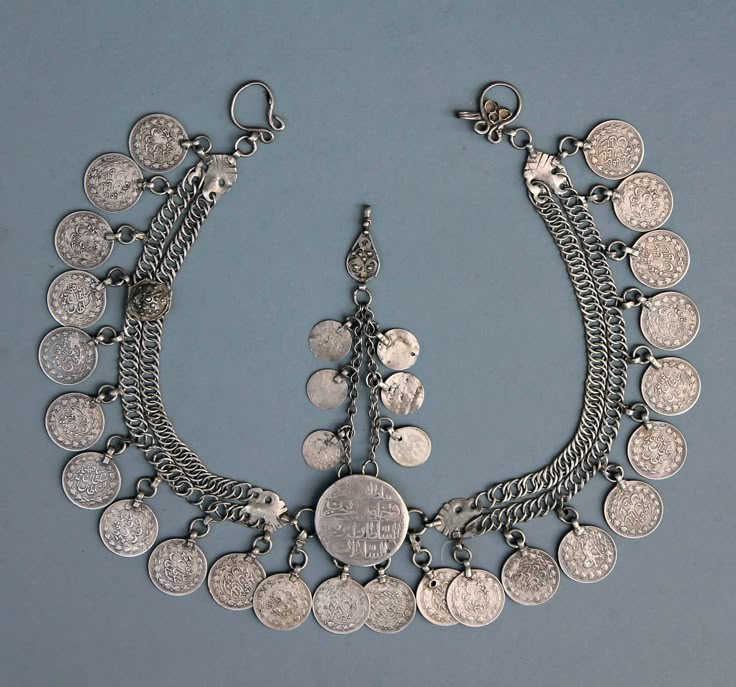
Silver Jewelry
HeritageKurdish silversmiths create elaborate necklaces, bracelets, and headpieces that are worn for special occasions and as symbols of wealth and status. Traditional techniques include filigree, granulation, and stone setting.
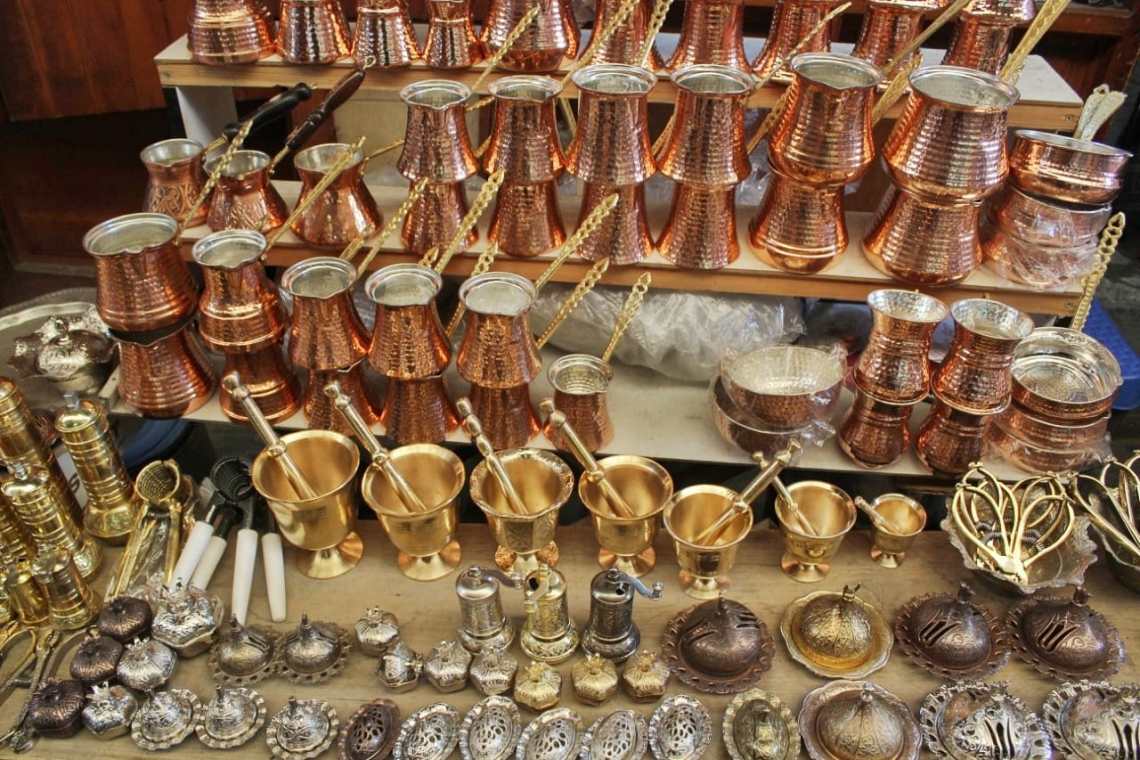
Copper Work
Functional ArtKurdish coppersmiths create both decorative and functional items, from elaborately engraved trays to cooking vessels. Traditional techniques include hammering, embossing, and engraving.
Pottery & Ceramics
Traditional Craft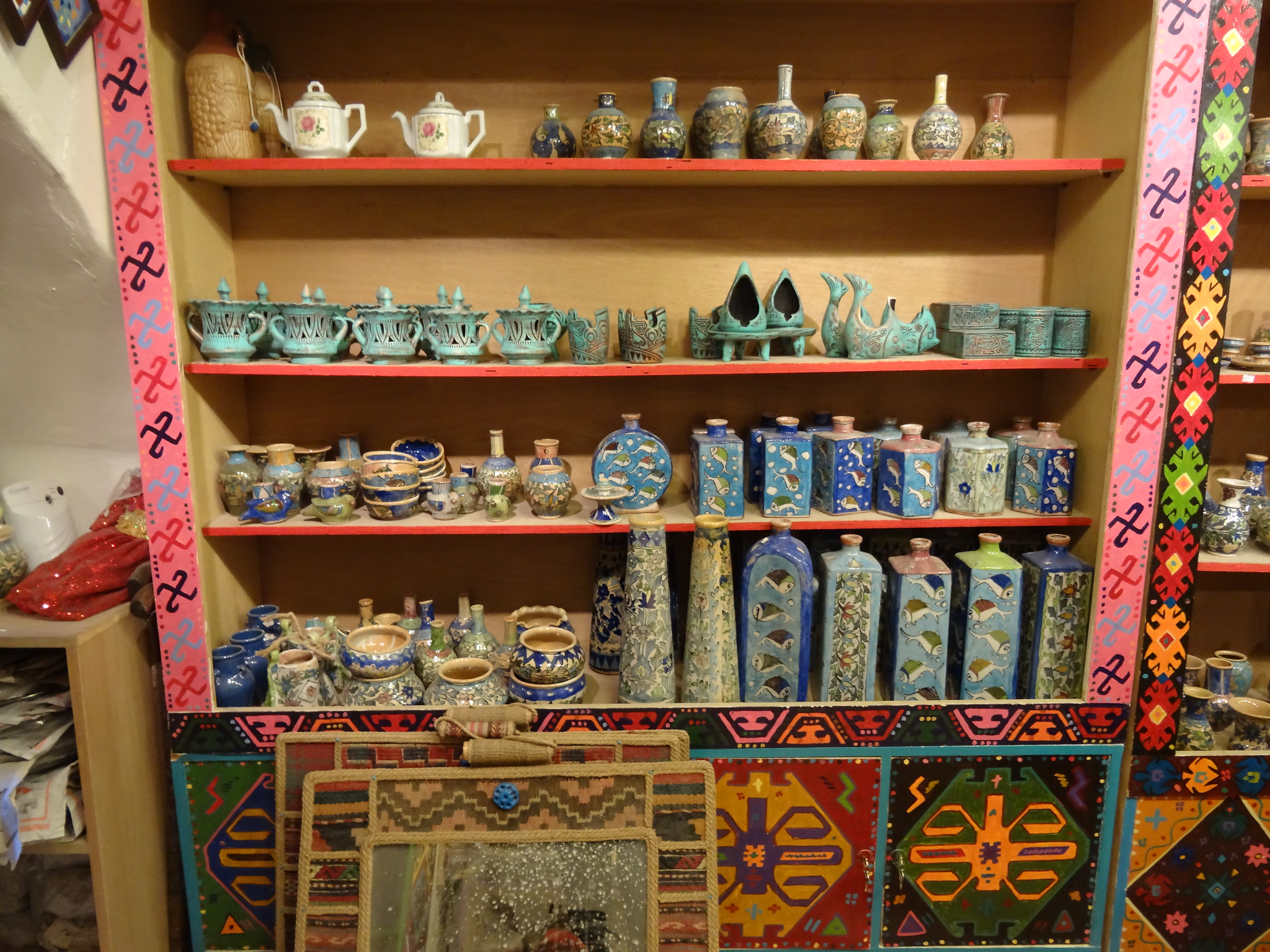
Ancient Artform
Kurdish pottery is characterized by its earthy tones and functional designs. From water jugs to cooking vessels, these ceramic creations reflect the practical needs of traditional Kurdish households while incorporating decorative elements.
Artisan Workshops
Learning CentersSulaymaniyah Textile Center
A cooperative of women weavers preserving traditional carpet-making techniques while creating economic opportunities.
Duhok Silversmith Guild
Master silversmiths teaching traditional jewelry-making techniques to new generations of artisans.
Erbil Pottery Workshop
Ceramic artists working with traditional methods while incorporating contemporary designs for global markets.
Mardin Copper Bazaar
A historic marketplace where copper artisans display their craftsmanship in traditional metalworking techniques.
Halabja Embroidery Collective
Women artisans specializing in intricate embroidery for traditional garments and modern home décor items.